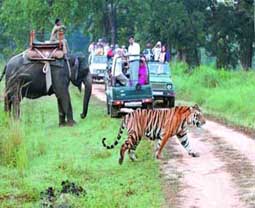
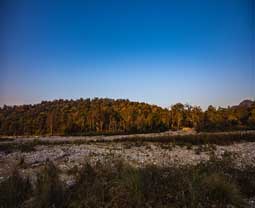
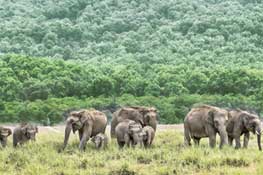
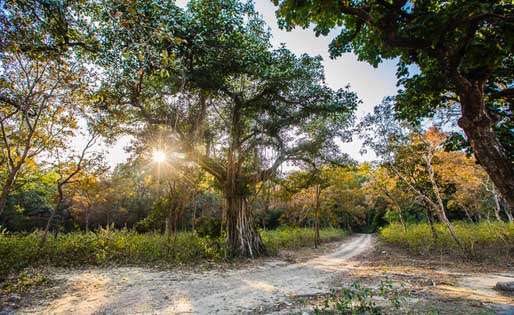
Assam is home to one-horned rhinoceros as well as the sprawling tea gardens. The Orang National Park is home to not just these vulnerable animals but also is part of the tiger conservation project, as a result of which, it is home to the Royal Bengal tigers too. Spread across 78.81 sq. km. area, the swampy grassland constitutes several man-made lakes inside the premises, which serve as the home to several migratory birds during the season. Situated on the banks of the Brahmaputra river, the national park has the distinction of being the oldest game reserve in the state of Assam. It serves as an important breeding ground for several varieties of fishes. If you are looking forward to spending a day away from the hustle-bustle of the city and relaxing amidst tall trees and high grasslands, spotting endangered wildlife in its natural surroundings, then Orang National Park is the place to be. Situated on the northern end of the river, the park is located in Assam’s Sonitpur and Darrang districts. It is an IUCN site and boasts of a rich flora and fauna comprising of several endangered, critically endangered, and threatened animals and birds including the Pygmy Hog, Royal Bengal Tiger, Great Indian One-Horned Rhinoceros, Bengal Florican, etc. The Park is the sole stronghold of the rhinoceros on this bank of the river. Other rivers that are around the park include Dhansiri, Belsiri, and Pachnoi. During Monsoon Season, the entire region of the park becomes flooded due to the overlapping of water bodies. The Park’s area can be divided into several distinct geographical zones including the Eastern Himalayan moist deciduous forest, Eastern wet alluvial grassland, Eastern seasonal swamp forest, grasslands (Savannah and degraded), moist and dry sandy area as well as different water bodies.
Tips to keep in mind while visiting Orang National Park
- The National Park is open for safari from 10 a.m. to 5 p.m.
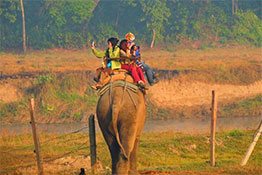
- Elephant safaris are preferred here, and visitors can enter either in the morning or afternoon.
- You require advanced authorization from Divisional Forest Officer, Mangaldoi before visiting the park.
- Don’t forget to carry binoculars and a good camera to click photographs.
- During the winter season, the weather might be chilly; carrying warm clothes is advised for tourists.
- To fully explore the region, you will need a minimum of one day.
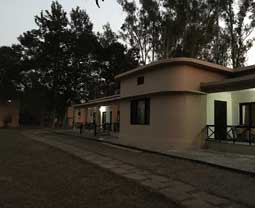
- You can set base in Tezpur to enjoy your visit to Orang National Park since there are only 2 rest houses and a dormitory available in the national park which contains the bare minimum facilities.